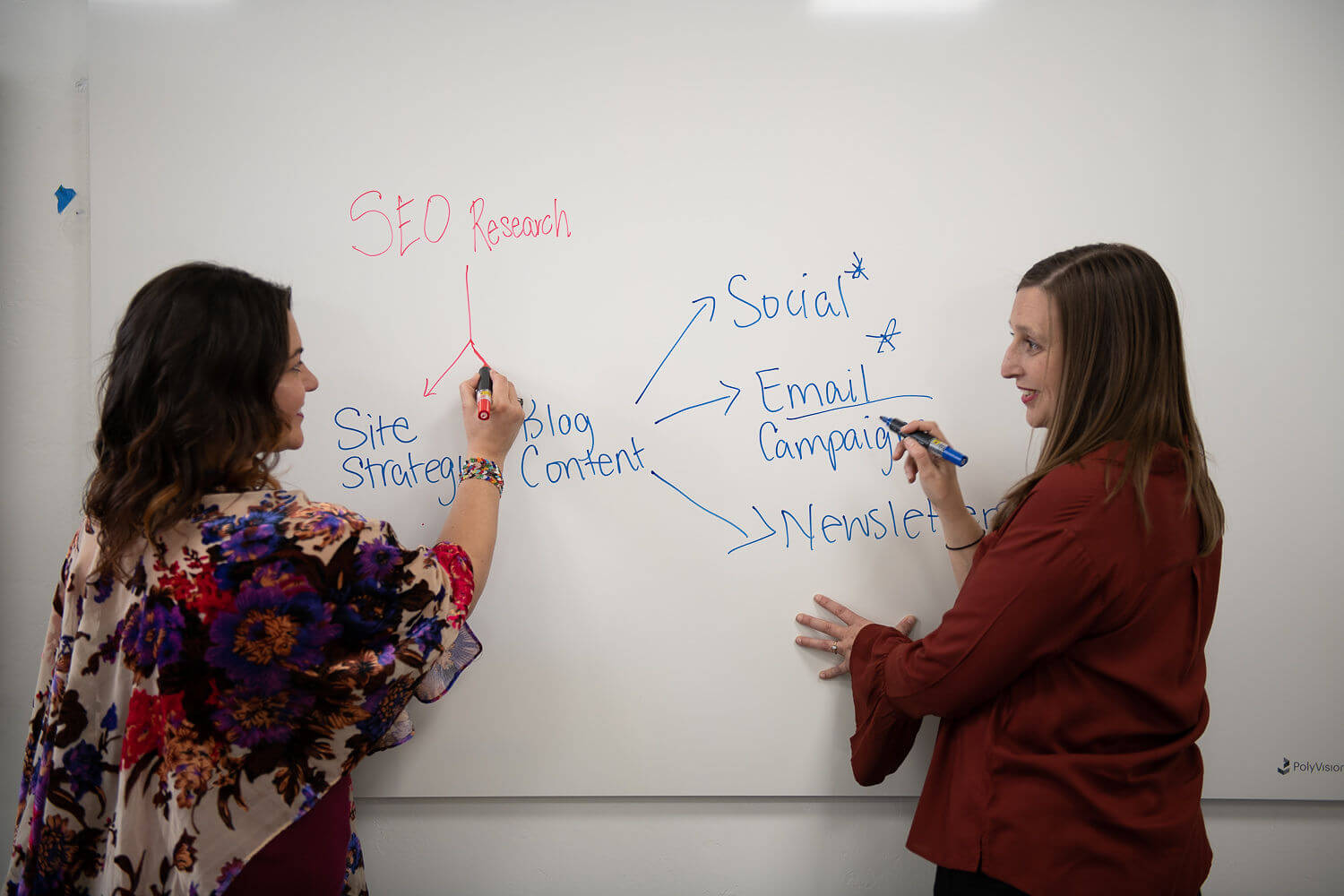
Boost Your Reach With the Right Digital Marketing Channels
All of the options available for marketing your business can be overwhelming. You just want to reach your audience and make a meaningful connection, but where should you begin? Do you need to start learning TikTok dances?
It’s challenging. And it’s ever-changing. It’s not easy to find out where your audience spends their time, what type of content they will engage with, and define how your products and services relate to their needs. But it’s worth diving in and getting right. Once you can identify the right digital marketing channels and the most effective content for your business, you’ll quickly see the benefits.
Luckily, you don’t need to be everywhere all at once. (In fact, that’s usually a recipe for disaster.) Instead, choose the best digital channels to boost your reach, connect you with your audience, and allow you to hit your goals.
Types of Digital Marketing Channels
Each marketing channel offers unique benefits and should have its own marketing strategy. Once you better understand the benefits and requirements for each, you can more easily decide which will be best for your brand.
Website
Your website is often one of the first places potential customers interact with your brand. A good website builds trust and makes visitors more likely to engage with your content and become customers. It should be visually appealing, easy to navigate, and mobile-friendly. All these elements lead to a better user experience and higher engagement and conversion rates.
Search engine optimization (SEO) is an essential part of website marketing. SEO involves optimizing your website’s content, structure, and technical aspects to improve its visibility on search engine results pages (SERPs). Good SEO can boost your website’s search rankings, attracting more organic traffic and making your visitors more likely to turn into customers.
Website analytics tools, like Google Analytics, are incredibly helpful for measuring your website’s performance and understanding user behavior. These tools provide valuable information about how visitors interact with your site, which pages are most popular, and where users are coming from.
Key stats to track include:
- Traffic Sources. Understand where your visitors are coming from, whether it’s organic search, social media, email campaigns, or paid advertising. Your list will provide clues about which other digital marketing channels are worth developing strategies for.
- Bounce Rate. Measure the percentage of visitors who leave your site after viewing only one page. A high bounce rate may indicate that your website content or user experience needs improvement.
- Conversion Rate. Track the percentage of visitors who complete a specific action, like making a purchase or signing up for your emails. The conversion rate helps you assess the effectiveness of your website in meeting your business goals.
- User Behavior. Analyze how visitors navigate your site, which pages they visit, and how much time they spend on each page. This information can help you optimize your website’s layout and content to better meet user needs.
Email Marketing
Email marketing is one of the most effective channels because it provides a direct way to reach your potential and existing customers. You can more easily build meaningful relationships because they have already invited you to have a conversation with them in their inbox.
First, you need to get that invite. Build a quality email list and work to keep it healthy and growing. Start by creating compelling opt-in forms and placing them strategically on your website. Try headers, footers, pop-ups, sidebars, and forms at the end of blog posts. Offer valuable incentives like free e-books, discounts, or exclusive content to encourage visitors to subscribe. Make your forms user-friendly and require only essential information to minimize friction in the sign-up process.
Then, create your email campaigns with engaging content that will resonate with your audience. Start with a clear and compelling subject line that encourages recipients to open the email. Provide value in the body of your email, whether through informative articles, special offers, or updates about your products and services. Write as if you are emailing one person, using a conversational tone and personalization tools to make the content feel relevant and tailored to the recipient.
Structure your emails for easy readability, using short paragraphs, bullet points, and images to break up text. Include clear calls to action (CTAs) that guide recipients toward your desired actions, like visiting your website, purchasing, or signing up for a webinar.
Most email software providers include A/B testing capabilities. Regularly test different elements of your emails, such as subject lines, content formats, and CTAs, to determine what works best for your audience.
Once you have a solid email list, work on segmenting based on demographics, purchase history, and engagement levels. Segmenting creates emails that are more relevant and engaging to your recipients.
By building and growing a healthy email list, crafting engaging email campaigns, and using personalization and segmentation, you can create powerful email marketing strategies that drive engagement, conversions, and customer loyalty. Email marketing can meet so many needs at a cost-effective price.
Social Media
Social media marketing allows you to build brand awareness, engage with your target audience, and harness the power of influencer marketing.
Social media platforms like Facebook, Instagram, X, LinkedIn, and TikTok can be incredible tools for increasing brand visibility. Each platform offers unique features and caters to different demographics, so choose the ones that align with your brand and target audience. Unless you have a marketing team with a big bench, it doesn’t usually make sense to post and engage on all of these platforms.
Consistency is the real key. Maintaining a regular posting schedule helps keep your audience engaged and informed about your brand. It also makes the algorithms happy, and we love a happy algorithm.
Developing a distinctive brand voice and visual style that resonates with your audience ensures that your brand remains recognizable and memorable across all platforms. Sharing a mix of content, including images, videos, stories, and live streams, keeps your feed exciting and engaging. Using relevant hashtags and participating in trending topics increases the discoverability of your posts and can help attract new followers.
Social media provides the perfect platform for real-time interactions and personalized communication. Create content encouraging interaction, like polls, quizzes, and question-and-answer sessions, to boost engagement and get valuable information about your audience’s preferences and opinions.
Actively monitor and respond to comments on your posts to show that you listen and care about your audience’s feedback. Social media should not be a one-way street. It may be your soapbox, but it’s in the middle of the community square. Engage with the people around you. You’ll create a sense of community and build trust with your followers.
You can also encourage your followers to create and share content related to your brand and repost this user-generated content to provide social proof and make your followers feel valued.
Content Marketing
An effective content marketing strategy revolves around creating content that provides value to your audience. Your content can take various forms and overlap with several digital channels. It can include blog posts, articles, videos, infographics, podcasts, and more. Valuable content addresses your audience’s needs, answers their questions, and solves their problems.
Content marketing strategies often include three main steps:
- Understand Your Audience. Conduct extensive research to understand your audience’s pain points, interests, and preferences. This information will help you craft content that resonates with them.
- Consistency. Regularly publishing high-quality content keeps your audience engaged and returning for more. Establish a content calendar to plan and schedule your content effectively.
- Distribution. You don’t have to post your content in only one place. You can repurpose one piece of valuable content for your website, social media channels, email newsletters, and other relevant platforms to maximize your reach and engagement.
The best content tells the reader or viewer a story. In marketing, good storytelling helps to humanize your brand, connect with your audience on an emotional level, and make your content more memorable.
Stories can illustrate how your product or service solves problems or improves customers’ lives. Instead of simply listing features and benefits, crafting a narrative around your brand helps engage your audience and make a lasting impression.
Customer testimonials and case studies are excellent storytelling formats. They provide real-world examples of how your offerings have helped others, building trust and credibility. Brand stories sharing your company’s journey, mission, and values can resonate deeply with your audience and cultivate a sense of loyalty and connection.
Display Advertising
Display advertising involves using banner ads, images, and videos to attract the attention of potential customers on various websites and social media platforms. It can be a powerful tool, as the visuals of display ads capture interest and increase brand visibility and awareness.
The biggest key to effective display advertising is targeting specific audience segments. Understanding your potential customers’ demographics, interests, and behaviors and tailoring your ads to meet their preferences makes display advertising work.
Targeted display ads are more likely to resonate with viewers, resulting in higher engagement rates and better conversion outcomes.
Businesses can track metrics such as impressions, clicks, and conversions to understand which ads are performing well and which need adjustments. By continuously monitoring, tweaking, and optimizing your display ads, you can improve their effectiveness and achieve a higher return on investment.

Benefits and Strategies for Digital Marketing Channels
With these digital marketing channels, companies can build brand awareness, identify and engage with their target audience, and foster customer relationships as part of their comprehensive marketing strategies. They also expand a brand’s reach and effectively promote products and services.
Brand Awareness
Any digital marketing channels listed above can help you build your brand reputation. You’ll move the needle when you share valuable content relevant to your target audience. This content can include blog posts, videos, social media updates, and more.
By consistently providing high-quality content, businesses can position themselves as industry leaders and earn their audience’s trust and loyalty. A strong brand reputation is built over time through positive customer interactions, testimonials, and reviews, all of which can be strengthened through your digital marketing plan.
Social media platforms are particularly effective for brand exposure. Companies can share their stories, values, and updates and interact with their audience’s content, building strong connections with followers.
When the content and engagement are tailored to the platform, it helps to humanize the brand, making it more relatable to potential customers. Think of Wendy’s ruthless Twitter account. That content would not work as well on any other platform (Can you imagine it on LinkedIn?), but it has created a recognizable brand presence. Other brands often try to imitate Wendy’s style online, but if the brand doesn’t have elements of the edgy tone elsewhere on other channels, it will usually fall flat.
Through the consistent and strategic use of digital marketing, companies can establish and reinforce their brand identity, making it recognizable and memorable.
Target Audience
Identifying and understanding your target audience is a requirement for any marketing efforts, but especially for effective digital marketing. Knowing who your customers are helps you tailor your work to meet their specific needs and preferences.
When you can analyze demographics, interests, behaviors, and purchasing patterns, you can create detailed profiles of their ideal customers. Precise targeting ensures your marketing messages resonate with the right people.
Different segments of your audience may have different needs and preferences, so tailoring marketing messages to specific audience segments maximizes engagement and conversion rates.
For example, a younger audience might respond better to social media campaigns, while older customers might prefer email marketing. (Of course, this can vary drastically by business.) By customizing your content to speak directly to each segment, you can address their unique concerns and motivations, making your marketing efforts feel more relevant and become more effective.
With tools like Google Analytics, businesses can learn how their audience interacts with their content and campaigns. This information can reveal which strategies are working and which need some adjustment. Continuous data monitoring and analysis help marketers understand trends, measure performance, and make informed decisions. A process of constant improvement ensures that marketing strategies remain effective and aligned with the evolving needs and behaviors of the target audience and the ever-changing goals of your company initiatives!
Marketing Strategy
A comprehensive digital marketing strategy involves setting clear objectives, understanding your target audience, and determining the most effective channels to reach them.
Start by defining your goals, whether it’s increasing brand awareness, driving traffic, generating leads, or boosting sales. Once you have clear objectives, you can design a strategy that aligns with these goals and your overall business vision.
Choose several digital marketing channels to work into your plan to maximize your reach and impact. Repurposing content across various platforms, such as social media, email marketing, and display advertising, creates a cohesive approach that reinforces your brand message.
For example, a social media campaign can drive traffic to your website, where well-crafted content can take over the reins and engage these visitors, leading to conversions. Consistency across your channels ensures that your audience receives a coherent and compelling message, no matter where they encounter your brand.
Use analytics tools to track key performance indicators (KPIs) such as traffic, engagement, conversion rates, and return on investment (ROI). Regularly reviewing these metrics helps identify what’s working and what needs work. A data-driven approach allows you to refine your strategies, optimize your campaigns, and ensure your marketing efforts deliver.
Audience Reach
Digital marketing offers many ways to connect with a broader audience. SEO and paid search are powerful ways to increase visibility. SEO involves optimizing your website and content to rank higher in search engine results, making it easier for users to find you organically.
A long-term SEO strategy builds credibility and drives consistent traffic. On the other hand, paid search, like Google Ads, provides immediate visibility by placing your ads at the top of search results for targeted keywords. This approach allows you to reach users actively searching for products or services you offer, increasing the likelihood of conversions.
Social media advertising is another effective strategy for expanding your reach. Platforms like Facebook, Instagram, LinkedIn, and X/Twitter offer sophisticated targeting options, allowing businesses to reach specific demographics, interests, and behaviors.
Social media ads can enhance brand awareness, drive traffic to your website, and foster engagement with your content. By combining organic efforts with paid advertising, businesses can create a balanced approach that amplifies their message and connects with a larger audience.
Promoting Products/Services
Your digital marketing strategy will combine all of these tools and platforms mentioned so far to ultimately showcase what you have to offer a wide audience.
Use clear and exciting language for your product and service descriptions, focusing on the best features and benefits. Understand what your potential customers want, and craft text that grabs their attention to explain how your offerings fit their needs. Great images and videos in a style that aligns with your overall branding are also a must.
Wherever you discuss your products and services, it is another great space to consider using customer testimonials and reviews. When people see positive feedback from happy customers, it builds trust and can influence others to purchase. You can feature these on your website, social media, and marketing materials to help shape how people see and trust your business.
Establishing Relationships
Digital marketing channels allow you to build relationships with your visitors and followers. Personalization and customer engagement strategies can transform your casual browsers into loyal customers.
Personalization makes customers feel valued and understood. Tailoring your content, offers, and communication to their individual preferences and behaviors creates a more relevant and engaging experience.
For example, using customer data to recommend products based on past purchases or browsing history can significantly enhance the user experience. If I purchased gardening gloves from a brand, I’m more likely to make another purchase if they show me content with sun hats instead of golfing gloves.
Platforms like Facebook, Instagram, and Twitter allow businesses to directly address their customers’ questions, share updates, and gather feedback directly from their audience. Real-time engagement like this helps build a sense of community and trust, making customers feel more connected to your brand.
Sending personalized emails with special offers, product recommendations, and valuable content keeps your brand top-of-mind. Automated email campaigns can streamline this process even more, ensuring timely and relevant communication with your customers wherever they are in their buying journey.
With these strategies, businesses can foster meaningful relationships, enhance customer loyalty, and drive sustained growth.
Finding Your ‘Mix’ of Channels
Unless you are Coca-Cola, it usually will not make sense for you to dedicate time to every digital marketing channel. Instead, pick the channels you want to work on based on your specific business needs, goals, and the nature of your target audience.
If you are a B2B company, you might focus more on LinkedIn and email marketing, while B2C companies may prioritize content marketing and social media platforms like Instagram and Facebook.
Once you understand your audience and can analyze their preferences, behaviors, and the channels where they spend their time, you can tailor your marketing strategies to the platforms where your audience is most active.
For example, on social media, younger demographics might be more engaged on TikTok, while older audiences might prefer Facebook.
Each channel has its unique characteristics and best practices. Tailor your messaging, format, and style to fit each platform. While you usually will aim to use short, engaging videos for social media, you’ll create more detailed articles for your blog, and personalized offers and messages for email campaigns.
Maximize Your Reach and Impact
Digital marketing offers many ways to reach and engage with your audience. From websites and email marketing to social media and display advertising, each channel has unique benefits that can enhance brand awareness, build customer relationships, and drive conversions.
At Content Journey, we work to understand your unique needs and audience and create tailored strategies for your digital marketing channels that maximize your reach and impact. Let Content Journey help you navigate these avenues and connect with your customers effectively. Contact us today!